The revision of the EU’s rulebook for Public Procurement, a chance to deliver fairness
By Paola Plaku, Senior Policy and Project Officer at the FTAO.
With EU public authorities spending around €2 trillion every year, (almost 15% of the Union’s GDP) on the purchase of services, works and supplies, procurement has the potential to be one of the EU’s most powerful levers for shaping markets, strengthening resilience and delivering on Europe's social and environmental ambitions. Yet today, much of this potential remains untapped, with less than 15% of contracts above the threshold currently being considered Green Public Procurement, while social criteria remain even more overlooked.
A leaked draft of the Commission's proposal shows some encouraging signals, including stronger recognition of Fair Trade, but as it stands the text does not go far enough in making sustainability a binding requirement of public procurement, and food remains largely left out.
Regions and municipalities show what is possible
Despite ongoing challenges, local and regional authorities have been paving the way forward using public contracts as a strategic tool to deliver social and environmental benefits. Today, nearly 5,000 initiatives accross Europe are boosting organic and Fair Trade sourcing, supporting short supply chains and reducing thousands of tonnes of CO₂ emissions.
France offers one of the most advanced examples of how ambitious standards can be integrated into the Single Market. Under the Egalim law, public food procurement must include at least 50% sustainable or quality-labelled products, with Fair Trade explicitly recognised. This framework allows contracts to be awarded based on fair remuneration, embedding minimum prices and income benchmarks as award criteria. At local level, Paris has committed to 100% Fair Trade bananas and cocoa in public catering, Nice uses Fair Trade certification as a criterion to ensure fair remuneration for producers, and 15% of the food sourced in Bordeaux are fairly traded products.
In Italy, the mandatory Minimum Environmental Criteria (Criteri Ambientali Minimi) has similarly made sustainability a core requirement. Today, sustainability criteria are applied in 90% of regional purchasing bodies and 79% of metropolitan cities, with a national average Green Public Procurement uptake of 56%, showing the market’s capacity to respond to clearly defined technical standards.
Pre-market consultations have proven helpful for public buyers to test feasibility, avoid poorly designed tenders and ensure that SMEs and social economy actors are not excluded from the outset, showing that early dialogue leads to more competitive and more sustainable outcomes. Clearer rules on joint and cross-border procurement could further support this approach, allowing smaller authorities to pool demand, share due diligence efforts and access Fair Trade supply chains that might otherwise remain out of reach. Despite these positive experiences, the leaked draft proposal fails to offer this clarity and leaves the use of sustainability criteria to the discretion of contracting authorities, a “may” rather than a “shall.”
Public choices must meet citizen expectations
In particular, public food purchasing plays a critical role. Across Europe, 67–85 million meals are served every day in schools, hospitals, universities and care institutions, representing around €82 billion in spending.
Fair Trade Towns, Schools, and Universities raise public awareness and directly stimulate demand by sourcing fairly traded coffee, chocolate, rice or bananas for canteens, kindergartens and other out-of-home settings.
To support this shift, the European Commission’s Joint Research Centre has also developed practical criteria for greener and healthier public canteens, offering public buyers concrete guidance to turn ambition into practice. Yet under the leaked legislative proposal, the mandatory green criteria the Commission can impose only apply to products already covered by separate EU product legislation, which leaves food and most agri-food products outside their scope, despite feeding millions of people every day.
Fair Trade initiatives demonstrate that sustainability and fairness can be embedded into purchasing decisions without increasing costs, yet these same authorities report persistent barriers: legal uncertainty, political shifts, budget pressures, limited capacity and low awareness particularly in smaller institutions or local authorities. Strengthening guidance, training and capacity-building for public authorities will be essential to unlock this potential at scale.
In parallel, consumer attitudes are also reinforcing the shift towards more social and environmentally sustainable practices. Recent surveys show that Europeans overwhelmingly recognise the value of Fair Trade, are increasingly concerned about the social and economic impacts of the products they buy, and many already purchase fairly traded products on a regular basis.
Aligning public spending with Europe’s long-term goals
The ongoing revision of the EU’s Public Procurement rules is an opportunity to decide what kind of economy Europe aspires to build. While significant progress has been made at regional and local levels, the revision must acknowledge that scattered, voluntary commitments alone will not be enough to carry Europe into the next decade in alignment with its global environmental and social objectives. To do so, sustainability should be treated as a core rule of public procurement, not an optional add-on.
Coherence with Europe's environmental and social standards should carry the same weight as principles like transparency or equal treatment in public contracts. Instead of supporting rules focused on procedures or the cheapest offer, procurement decisions should prioritise real-world results and reward bids that deliver a positive impact.
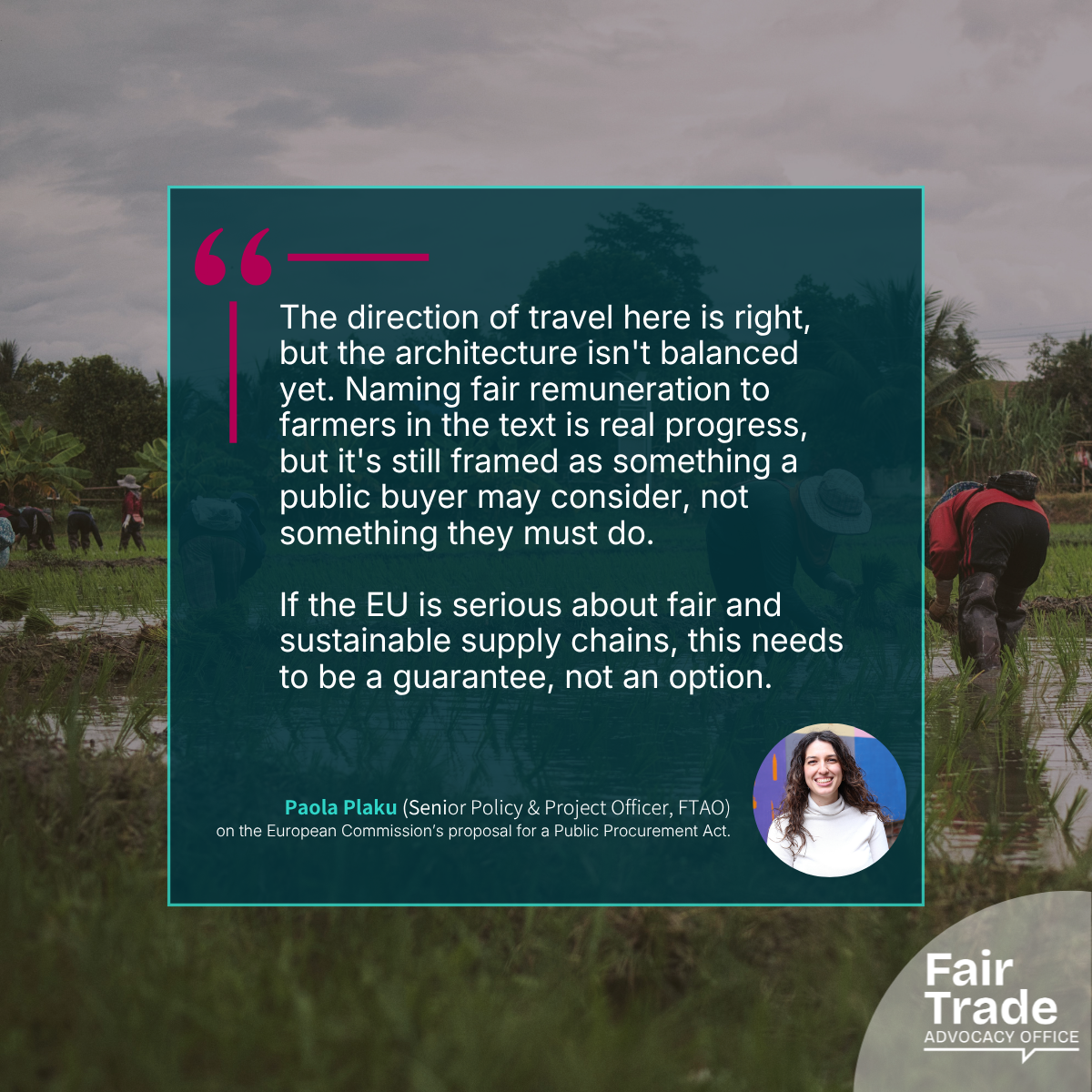
The leaked text takes a step in this direction by replacing the lowest price with a “Best Price-Quality Ratio” as the default award criterion, moving away from price-only competition. But “quality” isn't yet defined clearly enough to guarantee it captures sustainability rather than just service quality.
The leaked text takes a step in this direction by replacing the lowest price with a "Best Price-Quality Ratio" as the default award criterion, moving away from price-only competition. Recital 39 adds a welcome signal, explicitly naming Fair Trade including the minimum price and premium to producers as a legitimate award criterion. But this positive reference does not translate into an obligation. "Quality" still isn't defined clearly enough to guarantee it captures sustainability rather than just service quality, and contracting authorities retain full discretion over whether to require social criteria at all.
Fair Trade offers a credible framework to embed these ambitions into practice, and its potential extends far beyond the food sector, from textiles and workwear to electronics, while also supporting the participation of Fair Trade enterprises in public tenders. A revision that truly takes these into account could also be transformative, for instance, in the textile sector, where EU public procurement budgets have been used to source hospital textiles linked to exploitative labour conditions in countries such as Pakistan.
Shifting from price-driven to value-based procurement is a necessary first step to end the race to the bottom that has long characterised the EU’s public contracting. The revision to the EU’s rules should once and for all ensure that social and environmental sustainability are a core rule of public procurement, prioritise real-world results and reward bids that deliver a positive impact.
The leaked text is not the final word. With the official proposal due on 9 September, there is still time for the Commission to close the gaps it exposes, and for the European Parliament and Council to strengthen the text further as negotiations begin.
Get in touch:
For more information about our work on Public Procurement, please reach out to Paola Plaku at plaku@fairtade-advocacy.org.
More From The Workstreams
Strengthening Socially Responsible Public Procurement Through Due Diligence: Lessons from EU Member States
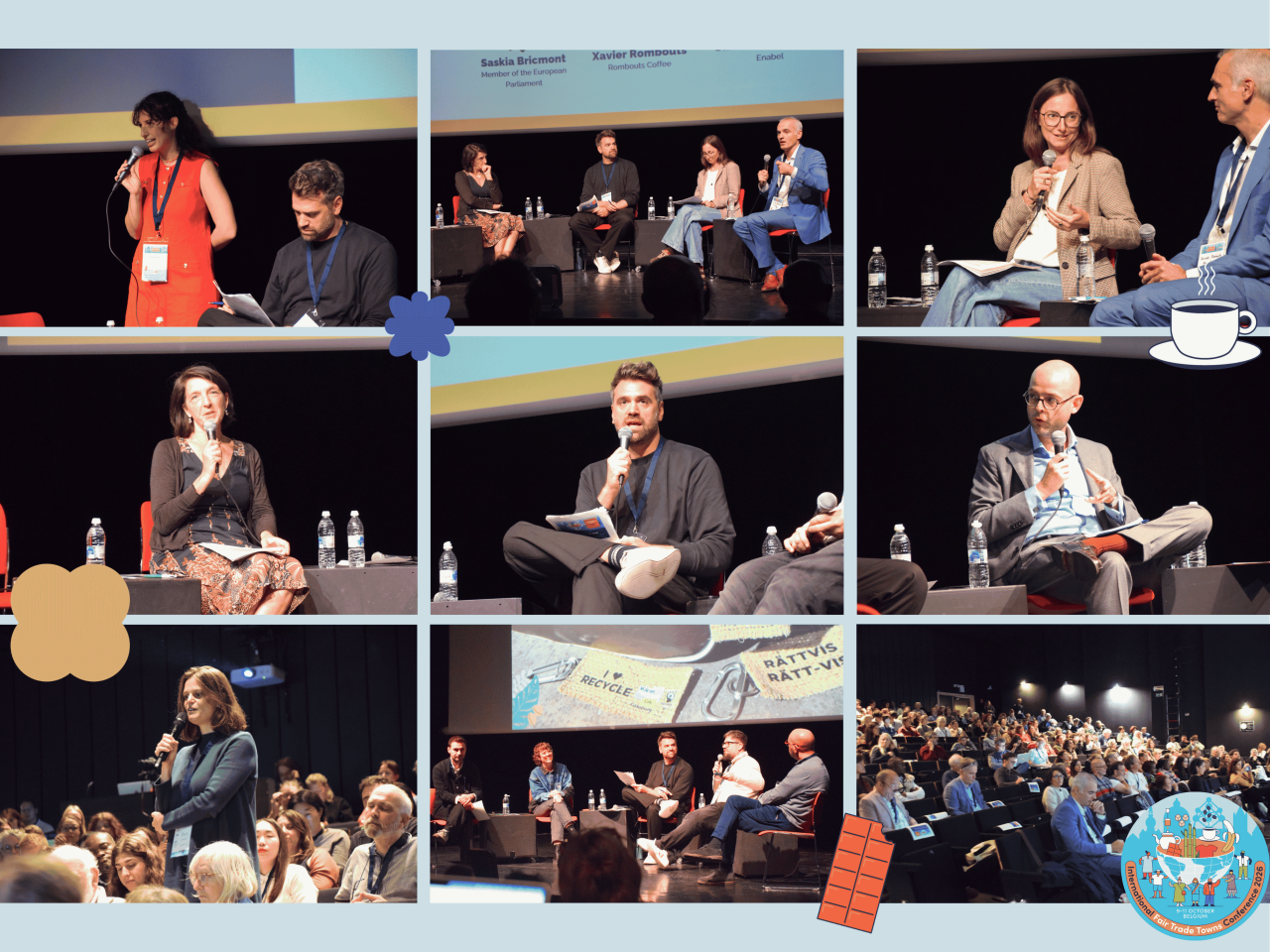
Fair Trade Towns bring local action to the heart of the EU debate on public procurement
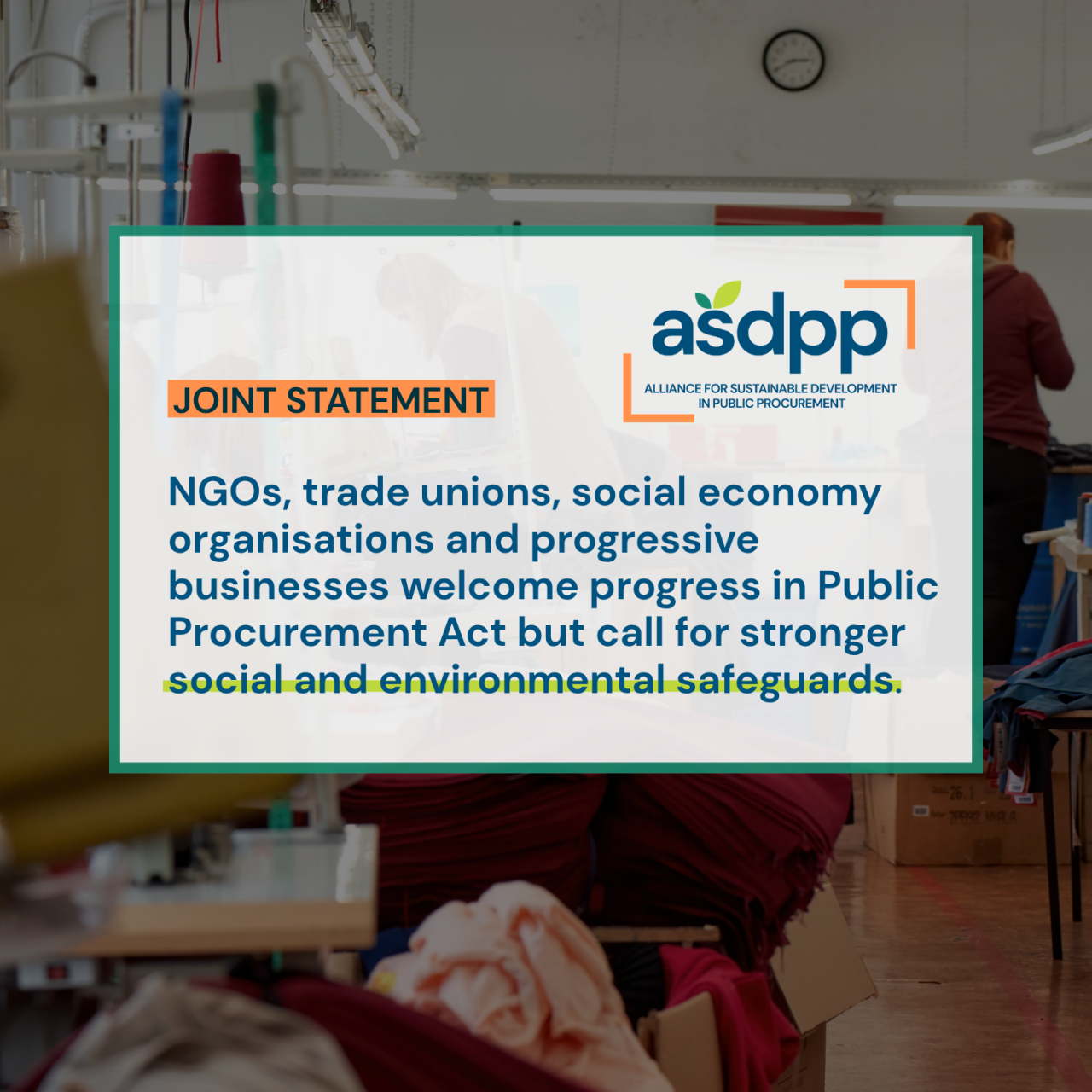
NGOs, trade unions, social economy organisations and progressive businesses welcome progress in Public Procurement Act but call for stronger social and environmental safeguards