Climate justice in the global green transition
The global green transition is reshaping economies, trade relations and livelihoods within and beyond the borders of the European Union. While the European Green Deal has played a pivotal role in raising climate ambition, its implementation has so far fallen short of fully including smallholder farmers, workers and SMEs in trading partner countries in the global effort towards climate neutrality. As EU climate and sustainability policies increasingly influence global production and trade patterns, their impacts are often felt most strongly in partner countries. In the absence of adequate safeguards and support measures, these dynamics can contribute to environmental degradation, such as soil and air pollution or deforestation, as well as to social challenges, such as poor working conditions, highlighting the need for a more inclusive approach to the green transition.
Through the Global Green Deal call to action, in partnership with SOLIDAR, Fairtrade International, and the World Fair Trade Organization (WFTO), the Fair Trade Advocacy Office has been advocating for the need to address these global spillover effects and by calling for stronger alignment between climate action, Fair Trade and sustainable development. It helped bring attention to the responsibilities of major economies to ensure that their climate strategies do not externalise costs onto workers, smallholder farmers and producing countries.
Our View
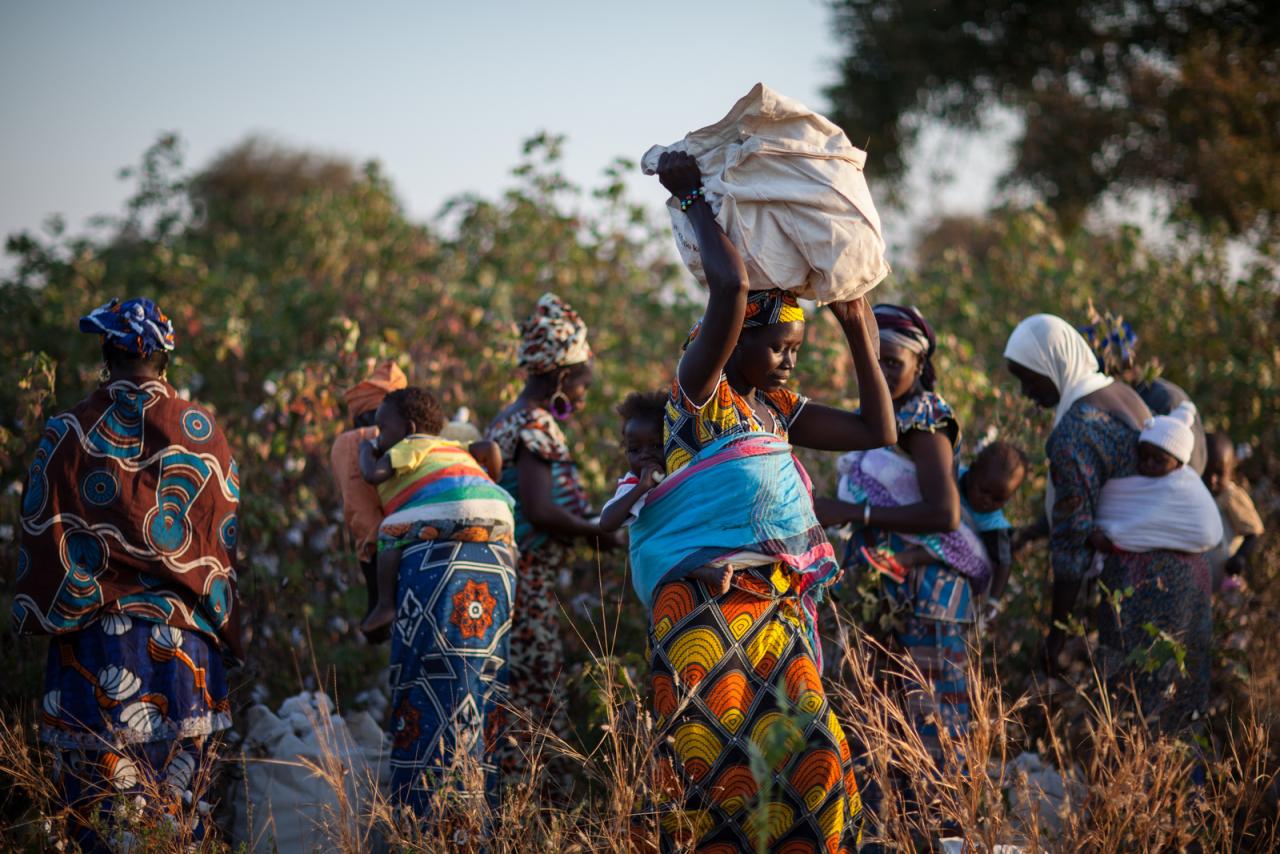
The Fair Trade Advocacy Office (FTAO) supports a global green transition that upholds fairness, human rights and sustainable livelihoods worldwide. As climate and environmental policies increasingly shape global trade and production, the FTAO focuses on ensuring supply chain responsibility and preventing social and environmental costs from being shifted onto workers, smallholder farmers and farming communities in producing countries.
That FTAO advocates for climate and sustainability policies that are coherent with the Fair Trade principles enshrined in the International Fair Trade Charter, upholding decent work standards and supporting international development objectives. This includes promoting responsible global value chains, meaningful participation of farming communities in policymaking and policy frameworks that recognise differentiated responsibilities and capacities between countries.
Further Reading
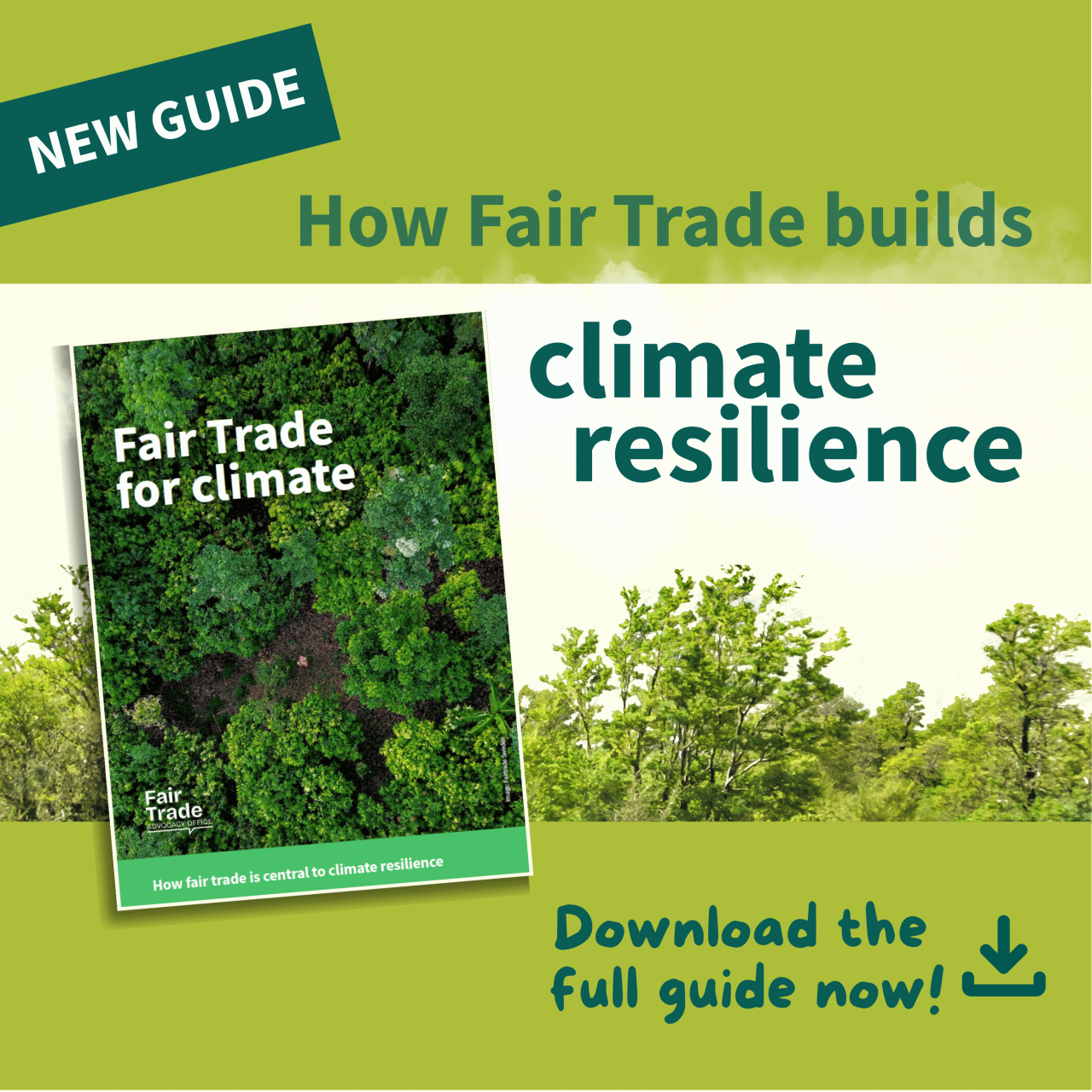
Fair Trade for climate: How fair trade is central to climate resilience
A plea for a Green Deal that unites forces within and beyond EU borders
Open Letter to EU Decision-makers on the EU contribution to the UNFCCC COP29 and the advent of a Global Green Deal
CALL TO ACTION towards a Global Green Deal
Europe’s green transition shall go global to be just and fair to all
A just transition for all: Why the European Green Deal needs to go Global?
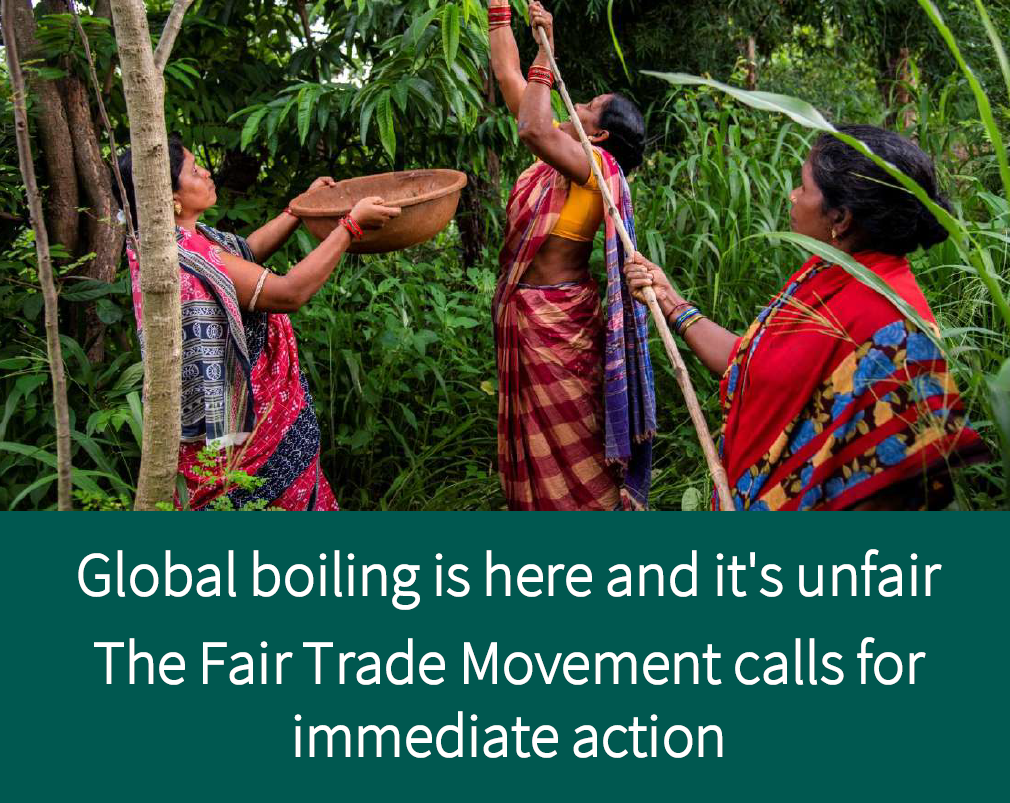
Global boiling is here and it's unfair: The Fair Trade Movement calls for immediate action