The Fair Trade Movement’s input to the Call for evidence for the Guidelines of the EU rules on forced labour
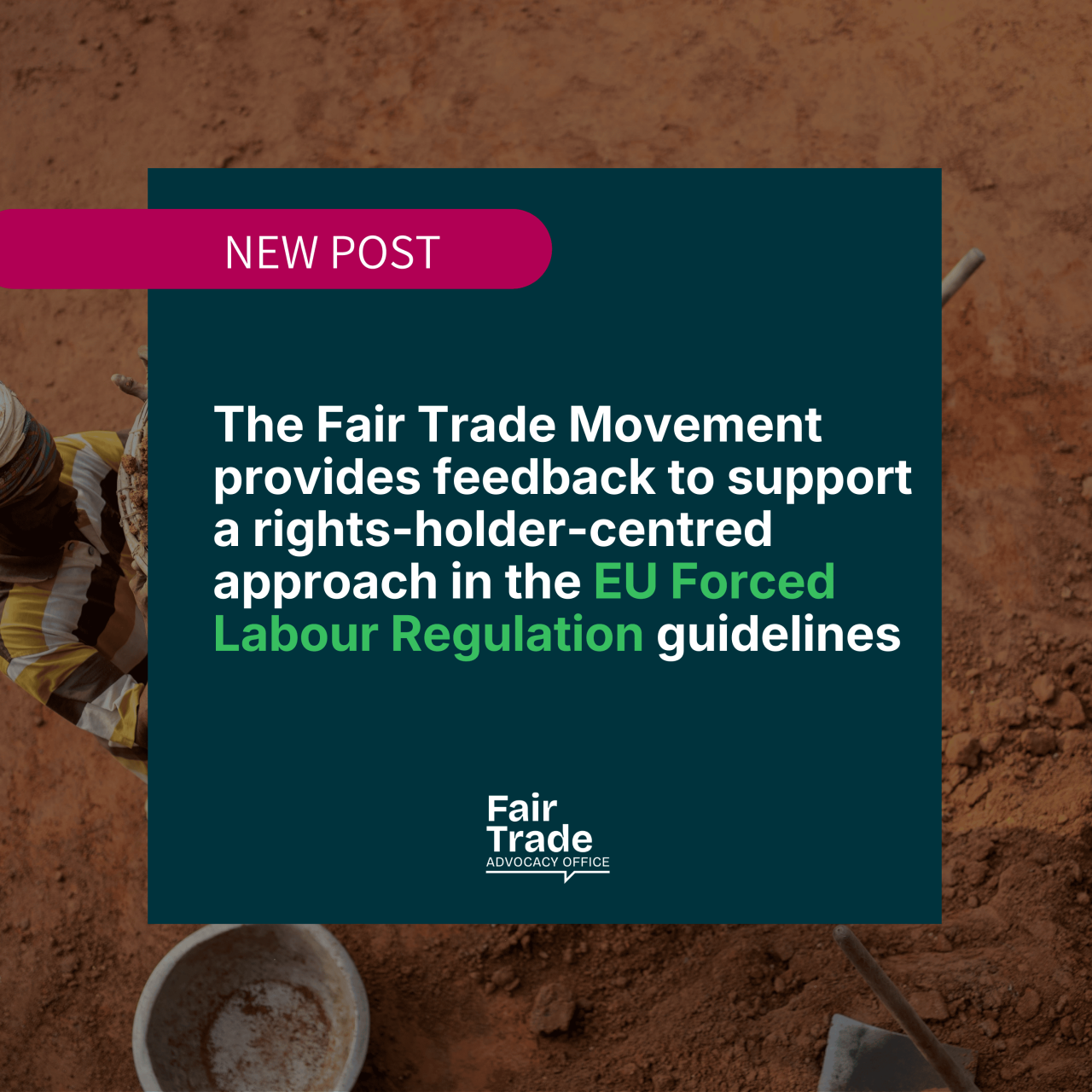
The Fair Trade movement welcomes the opportunity to contribute to the development of the Guidelines on the implementation of the EU rules on forced labour. The Forced Labour Regulation (EUFLR) represents a significant step towards ensuring that products made with forced labour do not enter or remain on the EU market, while also promoting responsible business conduct in global value chains.
Fair Trade organisations work closely with producer organisations, workers, civil society actors, and businesses across a wide range of sectors and geographies. Through certification systems, partnerships with producer networks, and long-standing engagement in human rights due diligence processes, the Fair Trade movement has accumulated practical experience in identifying, preventing, and addressing labour rights risks, including forced labour, in global supply chains.
The forthcoming guidelines will play a crucial role in ensuring that the Regulation is implemented in a predictable, effective, and rights-holder-centred manner. Clear guidance is particularly important to support competent authorities, economic operators, and stakeholders in understanding how evidence should be assessed, how investigations should be conducted, and how remediation should be implemented in practice. At the same time, the guidelines should ensure coherence with existing international standards, including the UN Guiding Principles on Business and Human Rights (UNGPs) and the OECD Guidelines for Multinational Enterprises on Responsible Business Conduct.
The Fair Trade movement therefore provides the following input, drawing on its experience in responsible supply chain governance, engagement with smallholder producers and workers, and implementation of certification systems and due diligence mechanisms.
Read the full contribution here.
Get in touch:
For more information about our work on the EU Forced Labour Regulation, please contact Virginia Enssle, at enssle@fairtrade-advocacy.org

More From The Workstream
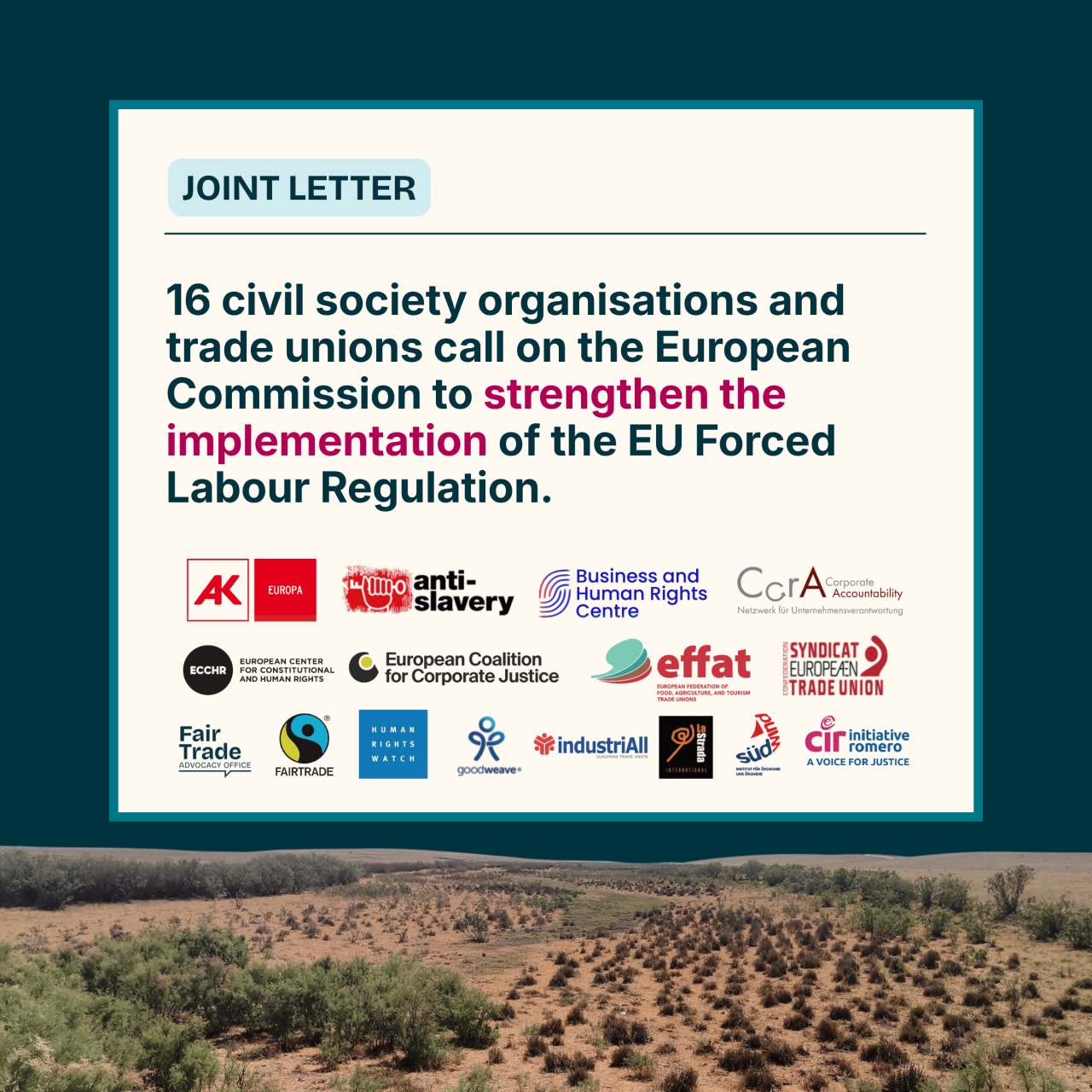
Joint letter: CSOs and trade unions call on the European Commission to strengthen the implementation of the EU Forced Labour Regulation

Framework of accompanying measures for the EU Forced Labour Regulation
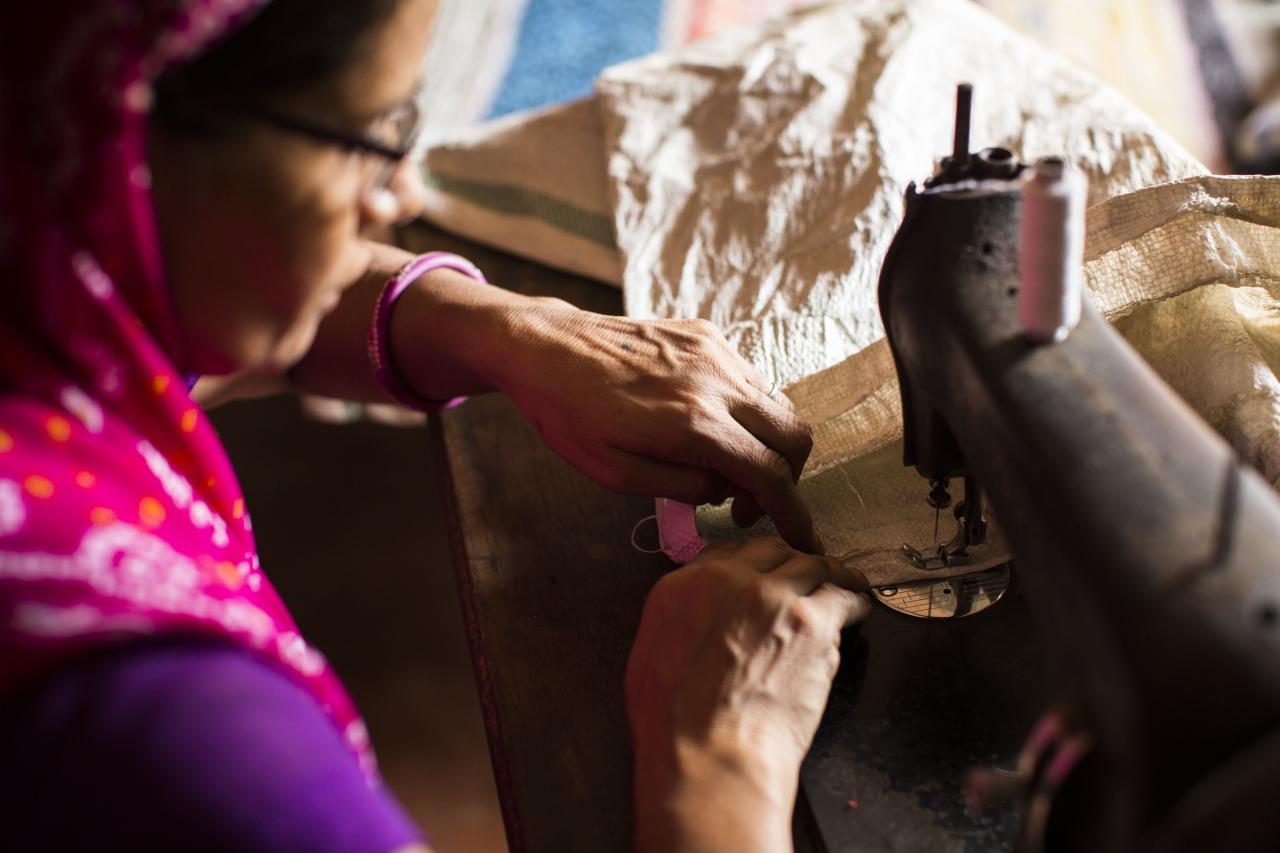
From trade wars to trade justice: less, fairer, better