EU and operators must use the EUDR delay to deliver urgent support for smallholder farmers
From the outset, Fair Trade actors have supported the EUDR as a crucial step toward building truly sustainable supply chains and protecting global forests. However, we are concerned that the political agreement replaces the Commission’s proposed grace period with a blanket delay, instead of considering the reality on the ground where smallholders still lack the support needed to comply.
While the agreement reiterates the EU’s objective to curb global deforestation, the Fair Trade Movement stresses that successful implementation hinges on ensuring that smallholder farmers and small-scale producers are not left behind. “This new delay gives more time, but time alone will not make the Regulation workable for smallholders. Without concrete support and fairer purchasing practices from operators, the challenges they face will remain exactly the same a year from now. A transition period is essential, but without concrete support and shared responsibility from buyers and companies, many producers will remain at risk of exclusion,” said Virginia Enssle, International and Institutional Relations Manager at the Fair Trade Advocacy Office (FTAO).
Rather than accelerating readiness, the one-year postponement, together with the simplification review report expected in April 2026, is unlikely to drive additional implementation efforts in the months ahead. However, investments made into robust traceability systems that assess and prevent or mitigate deforestation risks are valuable and ensure that, regardless of political and policy decisions, forests are protected. A targeted ‘grace period’ coupled with financial and non-financial support to introduce systems for geolocalisation and maintain staff needed for data gathering would have been a more effective and transparent solution. The current delay reduces immediate pressure but does not yet rectify structural inequities in supply chains.
The Fair Trade Movement warns against turning the newly agreed simplification review into an opportunity to water down the Regulation. The Commission’s report must serve to strengthen fairness and effectiveness, not to weaken environmental ambition. It is vital that this review assesses real impacts on smallholder farmers, whether they are located in low-risk or standard-risk countries, and regardless of whether they export directly to the EU.
Furthermore, the Fair Trade Movement calls on EU policymakers to incentivise responsible purchasing practices. Many supply-chain actors have yet to invest in the tools, traceability, and long-term partnerships required for compliance. Farmers should not bear these costs alone, especially when they are not directly in the scope of the Regulation. Ensuring fair distribution of compliance obligations is essential for the Regulation’s credibility and for safeguarding market access for smallholder communities.
Finally, the Fair Trade Movement regrets that the new category of micro and small operators applies only to actors directly exporting to the EU, which represents a very small share of global smallholders. Most small-scale farmers sell through cooperatives, traders, or intermediaries and do not export directly. Limiting this category to direct exporters significantly reduces the scope of protection for the producers who need it most. This gap risks undermining the Regulation’s promise to support vulnerable supply-chain actors.
The Fair Trade Movement reaffirms its strong commitment to ending deforestation and protecting the rights and livelihoods of farmers and workers worldwide. We call on the EU institutions and operators to use this extended timeline responsibly and ensure that implementation is fair, realistic, and genuinely responsive to the needs of the millions of smallholders who produce essential commodities for global markets. Anything less risks turning a landmark regulation into a missed opportunity.
Get in touch
For more information, please contact Virginia Enssle, International and Institutional Manager at the FTAO, at enssle@fairtrade-advocacy.org
.png)
More From The Workstream
The Fair Trade Movement’s position on EUDR repositories for certification schemes and relevant legislation
Deforestation Regulation stays on track, now the EU must ensure forest protection goes hand in hand with safeguarding smallholders' market access
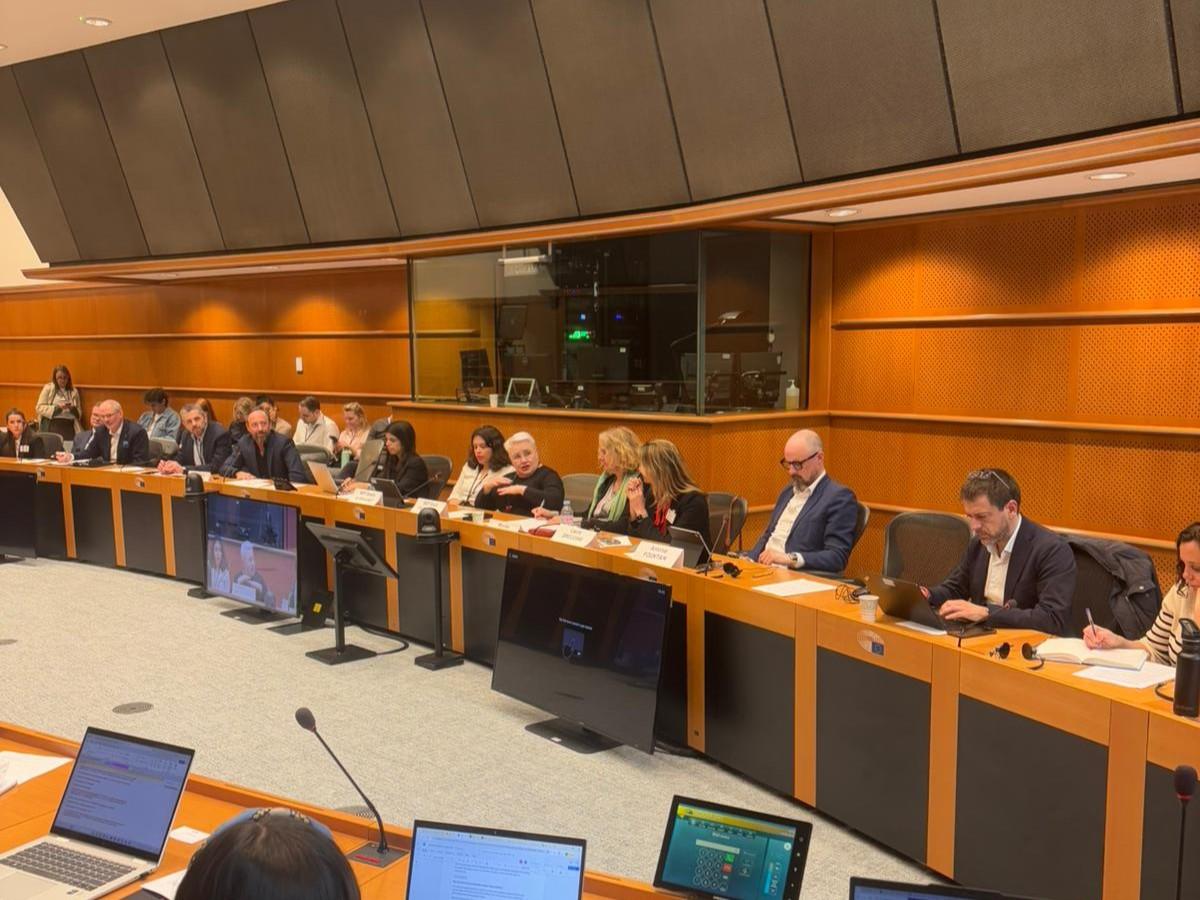
New EU Sustainable Supply Chains Coalition officially launched at European Parliament