On 24 April 2013, the Rana Plaza collapse killed 1,134 garment workers and injured more than 2,500 in Bangladesh. It remains one of the deadliest disasters in the history of the textile industry, and a stark reminder of the human cost behind cheap fashion. As one of the world’s largest textile markets, the European Union has both the responsibility and the power to drive change towards a fairer, more sustainable sector, and to help ensure that such a tragedy never happens again.
Thirteen years on, EU textiles demand still fuel poverty, pollution and waste, while overproduction (global fibre production doubled since 2000, composed of 67% of synthetics), worker exploitation, fossil fuels and greenwashing persist. Yet political ambition is not keeping pace.
Over a year into the new political mandate and several years into the EU Textiles Strategy, key policies meant to bring respect for social rights to the sector have been weakened. Both the Corporate Sustainability Due Diligence Directive (CSDDD) and the Corporate Sustainability Reporting Directive (CSRD) have been watered down and early work on the Ecodesign for Sustainable Products Regulation (ESPR) is already falling short of what is needed to transform the sector.
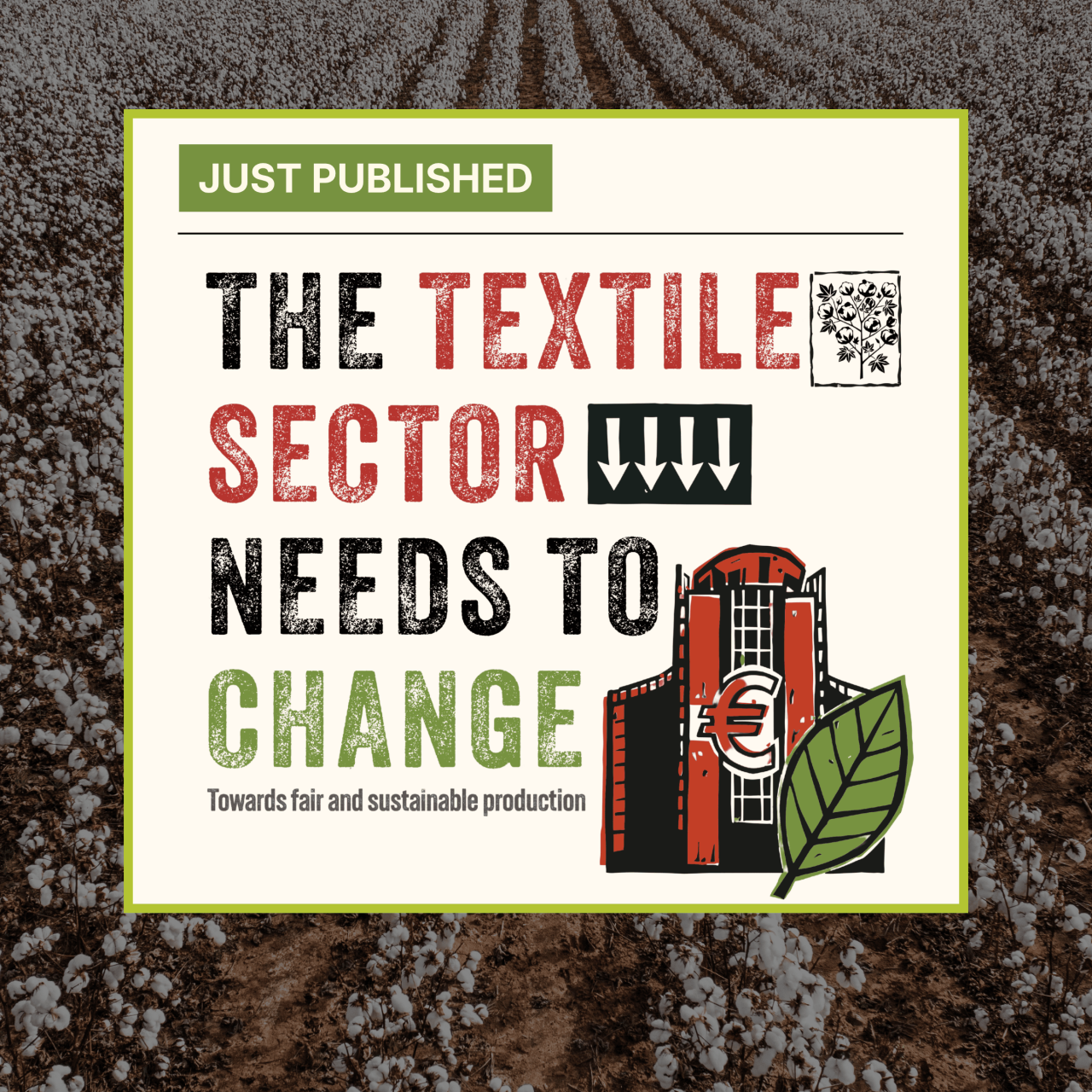
The guide ‘The textile sector needs to change’ builds on work carried out with NGOs, allies and partners advocating for stronger social and environmental ambition in the EU Textiles Strategy. It provides a concise overview of the key challenges still facing the textile sector, along with the policy solutions needed to address them. The guide is designed to equip NGOs, advocates, and policymakers with the essential arguments to push the European Union to act with greater ambition on textile reform.
👉 Read the full guide here.
👉 Want to use it in your work? Print the guide and learn how to fold it.
Why Fashion Revolution Week?
Fashion Revolution Week, held every year in the week of 24 April, the anniversary of the Rana Plaza disaster, is the world's largest fashion activism moment. The Fair Trade Advocacy Office (FTAO) joins Fashion Revolution Week because the issues it raises are inseparable from those of the Fair Trade Movement, garment workers' rights, living wages, supply chain accountability and the urgent need for stronger EU legislation.
Get in touch:
If you would like to know more about our work on fair and sustainable textiles, contact Alena Kahle at kahle@fairtrade-advocacy.org.
More From The Workstream
Why the Digital Product Passport is (also) a public procurement story
What cotton farmers and artisans taught me: Reflections from the Organic Cotton Summit in Istanbul
The FTAO's feedback on the European Commission’s draft Implementing Regulation establishing the Digital Product Passport (DPP) registry