Unfair Trading Practices in the Agri-food Supply Chain
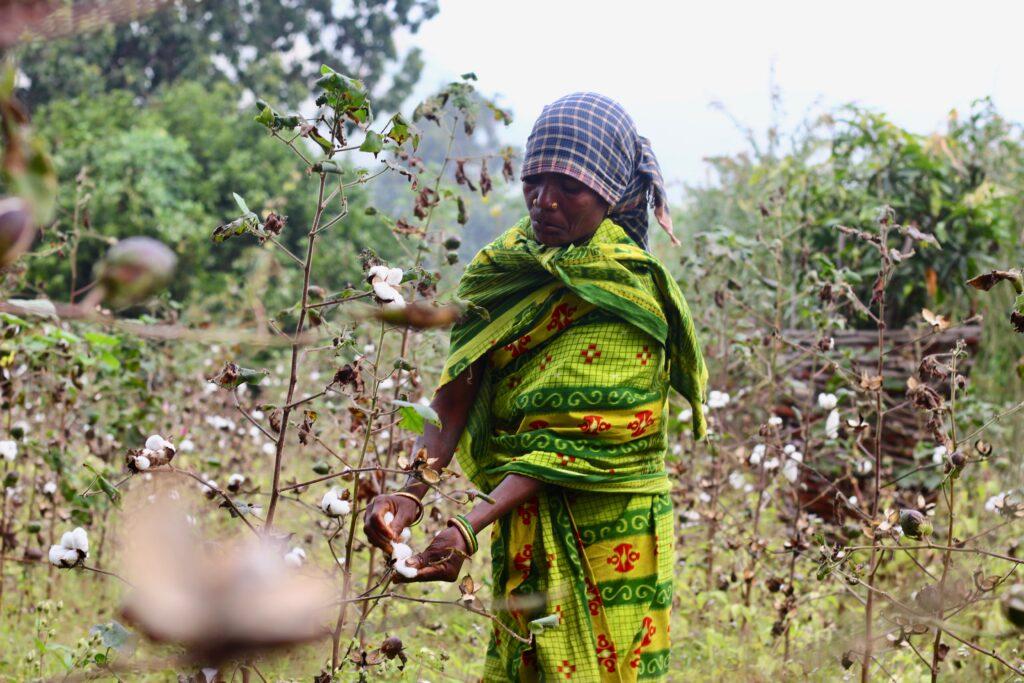
Today’s highly globalised and complex supply chains are dominated by retailers and large traders with immense buying power, leaving small suppliers with very little leverage. This imbalance forces producers into difficult choices: to accept poor and unpredictable terms or risk losing their livelihoods. For many communities without financial safety nets, this often results in having to accept exploitative working conditions without other viable alternatives.
The Fair Trade Movement, civil society and allies advocated for the need for specific legislation to address these imbalances. These efforts culminated in February 2019 with the adoption of the EU Directive on unfair trading practices in the agricultural and food supply chain, which aims to reduce inequalities in global supply chains by ensuring a minimum level of protection for agricultural and food suppliers. The European Commission’s evaluation of the Directive in 2025 confirmed that the legislation remains relevant and that progress has been made. Nevertheless, the assessment also highlights persistent shortcomings, including ongoing sales below the cost of production, uneven enforcement across the EU, and limited empowerment of suppliers. As the EU prepares to revise the Directive in 2026, this evaluation represents a key opportunity to address these remaining gaps.
Our View
At FTAO, we continue to see the UTP Directive as a major accomplishment in itself, as it remains one of the most sophisticated legal instruments in the world for addressing unfair trading practices in the agri-food sector. However, the Commission’s evaluation confirmed what the Fair Trade Movement has long highlighted: progress has been uneven and significant challenges remain, in particular for non-EU suppliers. Selling below the cost of production continues to undermine farmers’ livelihoods, enforcement is weak or inconsistent, and fear of retaliation still prevents suppliers from making use of complaint mechanisms.
While the inclusion of non-EU suppliers in the scope of the Directive was a key achievement during negotiations, suppliers outside EU borders have made virtually no complaints to date, showing that access to protection remains largely theoretical for them. As the Directive undergoes revision in 2026, the FTAO is calling for concrete measures to strengthen enforcement, ban the practice of purchasing below the cost of sustainable production, and ensure that both EU-based and third-country suppliers can effectively benefit from the rules.
Get in Touch
Need more information? Contact our policy expert!

Lucas Villanueva Legler, Junior Advocacy Officer
villanueva@fairtrade-advocacy.orgFurther Reading
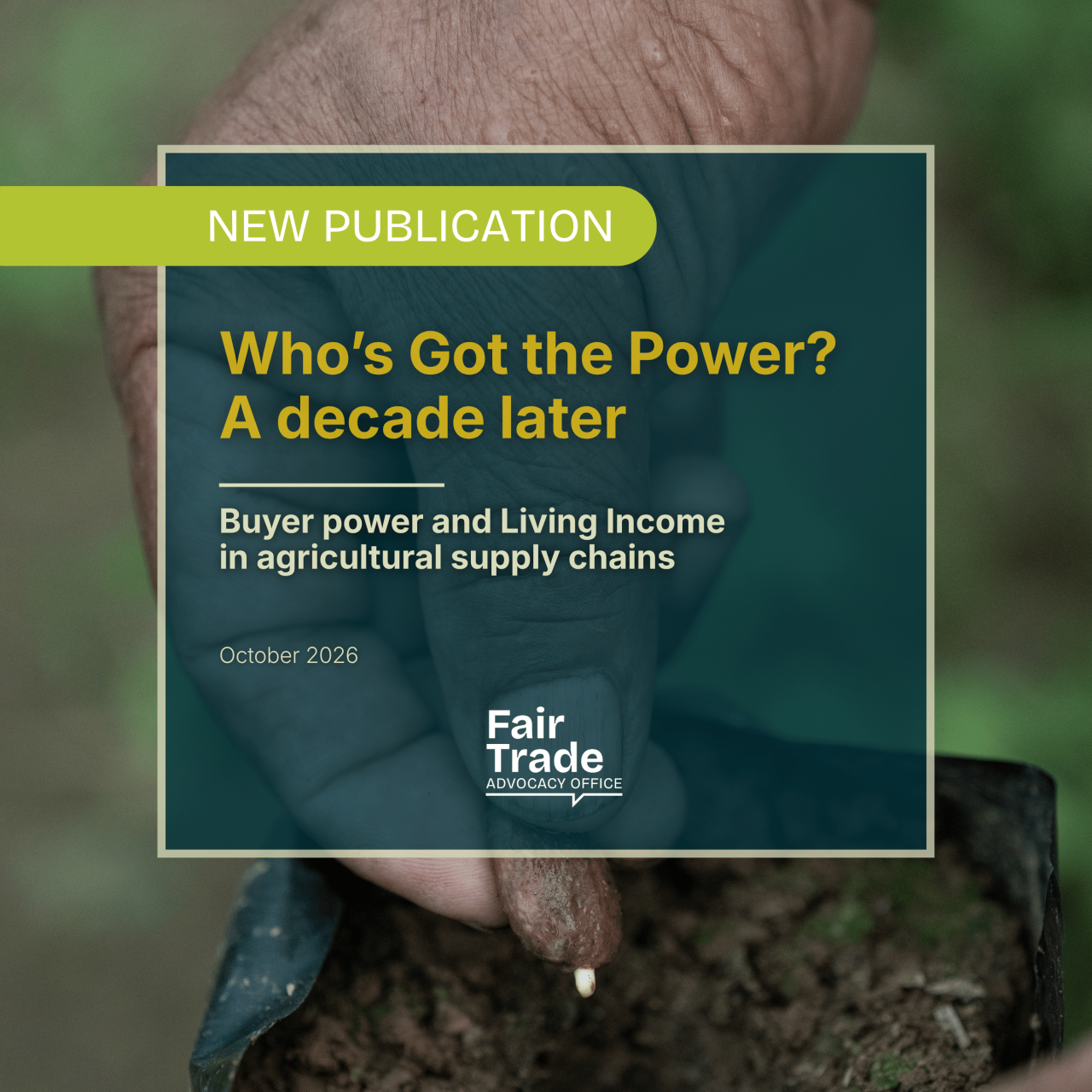
Who’s Got the Power? A decade later - Buyer power and Living Income in agricultural supply chains
Joint letter by Fair Trade organisations: Ensuring an accurate understanding of Fair Trade
Joint position paper: Strengthening the EU Unfair Trading Practices Directive (EU) 2019/633
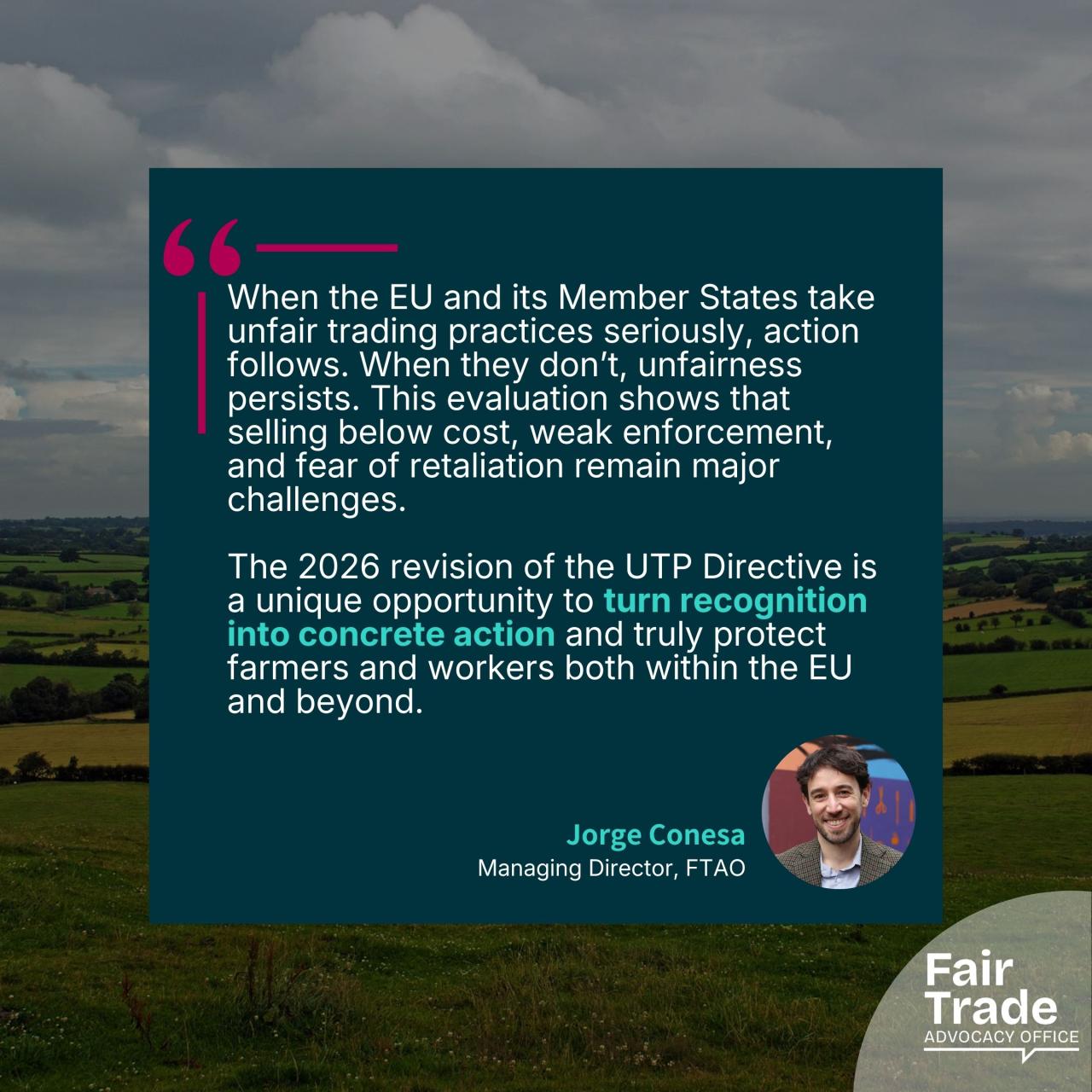
The FTAO acknowledges the EC's evaluation of the Directive on Unfair Trading Practices and welcomes its analysis aimed at closing the remaining gaps
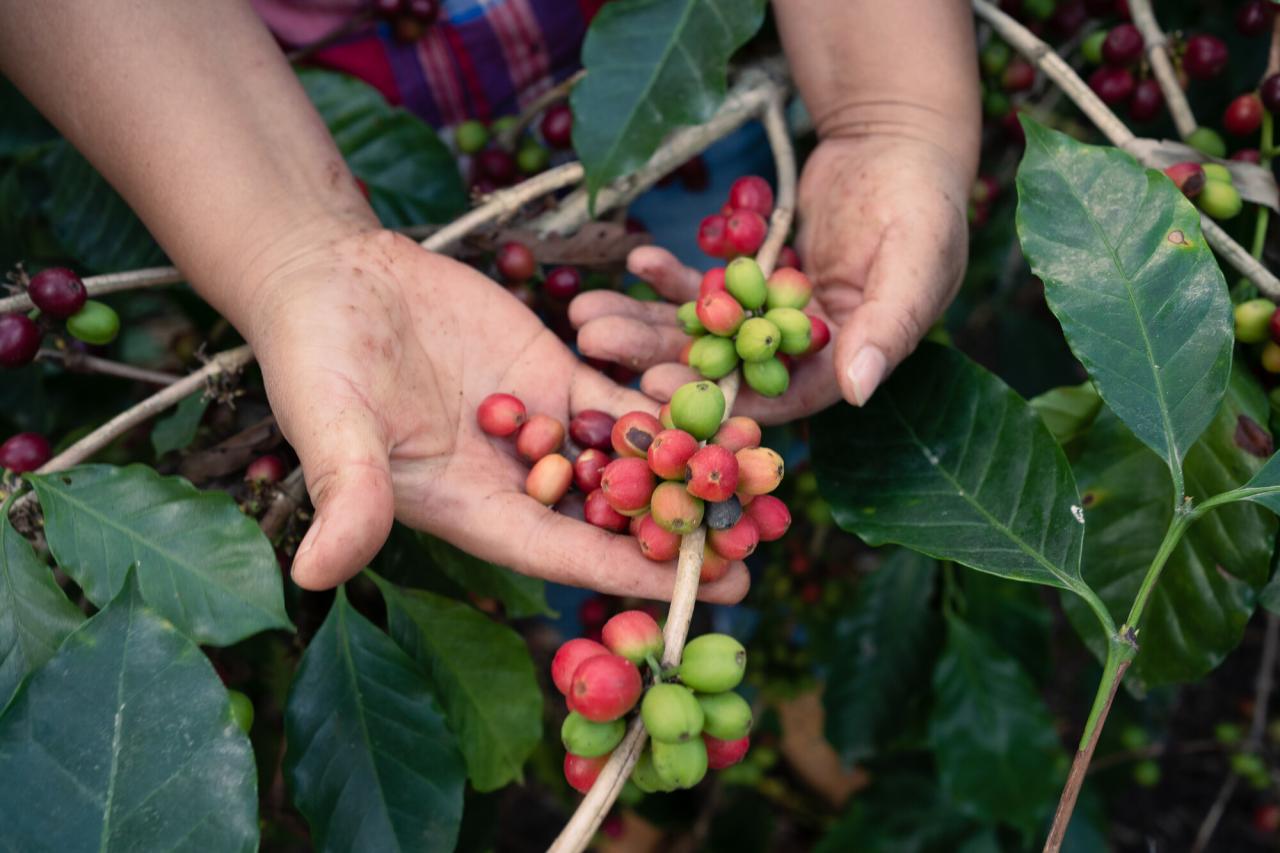
Ensuring fair prices for farmers by levering the Unfair Trading Practices Directive
COLEAD and the FTAO welcome AGRI vote on the enforcement of the Directive on Unfair Trading Practices, but warn that definition gaps risk excluding non-EU suppliers
UTP Coalition releases proposed amendments to the proposal for a UTP Regulation on cross-border enforcement